Introduction
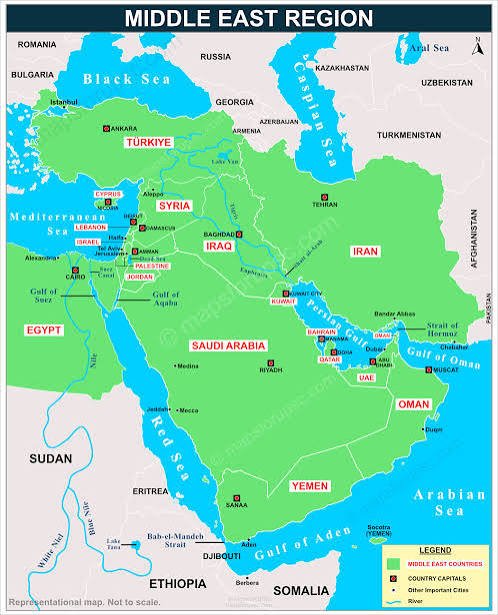
The Middle East remains one of the world's most strategically important regions due to its energy resources, trade routes, religious significance, and geopolitical influence. While the region has experienced decades of political instability and armed conflicts, new challenges have emerged in recent years. These include climate change, water scarcity, technological security threats, economic diversification, refugee crises, food insecurity, and the increasing influence of artificial intelligence (AI) in warfare. Addressing these issues is essential not only for regional stability but also for global peace and economic development.
1. Water Scarcity and Climate Change
Water scarcity has become one of the most critical issues facing the Middle East. Rising temperatures, prolonged droughts, and decreasing rainfall have significantly reduced freshwater resources. Countries such as Iraq, Jordan, Syria, and Yemen are experiencing severe water shortages that threaten agriculture, public health, and economic growth.
Climate change has intensified desertification, increased the frequency of heatwaves, and reduced crop production. As populations continue to grow, competition over limited water resources is expected to increase, potentially creating tensions between neighboring countries that share rivers and groundwater reserves.
2. Food Security Challenges
The Middle East relies heavily on imported food due to limited agricultural land and water resources. Global supply chain disruptions, rising transportation costs, and regional conflicts have increased food prices across many countries. Inflation has reduced purchasing power, making it difficult for low-income families to afford basic necessities.
Governments are investing in sustainable agriculture, hydroponics, and modern irrigation systems to reduce dependence on imports, but achieving long-term food security remains a significant challenge.
3. Artificial Intelligence and Cybersecurity Threats
Rapid technological advancement has introduced new security concerns. Artificial intelligence is increasingly being used in military operations, surveillance systems, and cyber defense. At the same time, cybercriminals and state-sponsored hackers are targeting government institutions, financial organizations, healthcare systems, and critical infrastructure.
The spread of misinformation through AI-generated content and social media has become another concern, influencing public opinion and increasing political tensions. Strengthening cybersecurity frameworks and regulating AI technologies have become priorities for many Middle Eastern governments.
4. Economic Diversification Beyond Oil
Many Middle Eastern economies have traditionally depended on oil and natural gas revenues. However, fluctuations in global energy prices and the worldwide transition toward renewable energy have encouraged governments to diversify their economies.
Countries are investing in tourism, renewable energy, digital technologies, manufacturing, logistics, and financial services to reduce dependence on fossil fuels. Economic diversification aims to create employment opportunities for growing youth populations while ensuring sustainable long-term development.
5. Regional Geopolitical Competition
Political competition among regional powers continues to influence stability across the Middle East. Diplomatic rivalries, proxy conflicts, border disputes, and competition for strategic influence affect security and economic cooperation.
Although several countries have recently improved diplomatic relations through dialogue and economic partnerships, unresolved conflicts continue to create uncertainty and hinder regional integration.
6. Refugee and Humanitarian Crisis
Millions of people remain displaced due to conflicts, economic instability, and environmental disasters. Refugees often face challenges in accessing education, healthcare, employment, and housing. Host countries also experience increased pressure on public services and infrastructure.
International humanitarian organizations continue to provide assistance, but sustainable political solutions are necessary to reduce long-term displacement and improve living conditions.
7. Energy Transition and Renewable Development
The global shift toward renewable energy presents both opportunities and challenges for the Middle East. While oil-producing countries continue to benefit from energy exports, many are investing heavily in solar, wind, and green hydrogen projects to prepare for a low-carbon future.
The region's abundant sunlight provides excellent potential for solar power generation, allowing countries to diversify energy production while reducing greenhouse gas emissions.
8. Youth Unemployment and Digital Transformation
The Middle East has one of the world's youngest populations. Creating sufficient employment opportunities remains a major challenge. Governments are promoting entrepreneurship, digital innovation, artificial intelligence education, and technology startups to prepare young people for future labor markets.
However, skill gaps, unequal access to quality education, and limited private-sector growth continue to hinder employment generation.
Conclusion
The Middle East is undergoing a period of significant transformation. Beyond traditional political conflicts, emerging issues such as climate change, water scarcity, cybersecurity, food insecurity, economic diversification, refugee displacement, and technological advancement are reshaping the region's future. Addressing these interconnected challenges requires stronger regional cooperation, investment in sustainable development, technological innovation, and effective governance. With coordinated efforts from governments, international organizations, and the private sector, the Middle East can build a more resilient, secure, and prosperous future for its people.
The Middle East remains one of the world's most strategically important regions due to its energy resources, trade routes, religious significance, and geopolitical influence. While the region has experienced decades of political instability and armed conflicts, new challenges have emerged in recent years. These include climate change, water scarcity, technological security threats, economic diversification, refugee crises, food insecurity, and the increasing influence of artificial intelligence (AI) in warfare. Addressing these issues is essential not only for regional stability but also for global peace and economic development.
1. Water Scarcity and Climate Change
Water scarcity has become one of the most critical issues facing the Middle East. Rising temperatures, prolonged droughts, and decreasing rainfall have significantly reduced freshwater resources. Countries such as Iraq, Jordan, Syria, and Yemen are experiencing severe water shortages that threaten agriculture, public health, and economic growth.
Climate change has intensified desertification, increased the frequency of heatwaves, and reduced crop production. As populations continue to grow, competition over limited water resources is expected to increase, potentially creating tensions between neighboring countries that share rivers and groundwater reserves.
2. Food Security Challenges
The Middle East relies heavily on imported food due to limited agricultural land and water resources. Global supply chain disruptions, rising transportation costs, and regional conflicts have increased food prices across many countries. Inflation has reduced purchasing power, making it difficult for low-income families to afford basic necessities.
Governments are investing in sustainable agriculture, hydroponics, and modern irrigation systems to reduce dependence on imports, but achieving long-term food security remains a significant challenge.
3. Artificial Intelligence and Cybersecurity Threats
Rapid technological advancement has introduced new security concerns. Artificial intelligence is increasingly being used in military operations, surveillance systems, and cyber defense. At the same time, cybercriminals and state-sponsored hackers are targeting government institutions, financial organizations, healthcare systems, and critical infrastructure.
The spread of misinformation through AI-generated content and social media has become another concern, influencing public opinion and increasing political tensions. Strengthening cybersecurity frameworks and regulating AI technologies have become priorities for many Middle Eastern governments.
4. Economic Diversification Beyond Oil
Many Middle Eastern economies have traditionally depended on oil and natural gas revenues. However, fluctuations in global energy prices and the worldwide transition toward renewable energy have encouraged governments to diversify their economies.
Countries are investing in tourism, renewable energy, digital technologies, manufacturing, logistics, and financial services to reduce dependence on fossil fuels. Economic diversification aims to create employment opportunities for growing youth populations while ensuring sustainable long-term development.
5. Regional Geopolitical Competition
Political competition among regional powers continues to influence stability across the Middle East. Diplomatic rivalries, proxy conflicts, border disputes, and competition for strategic influence affect security and economic cooperation.
Although several countries have recently improved diplomatic relations through dialogue and economic partnerships, unresolved conflicts continue to create uncertainty and hinder regional integration.
6. Refugee and Humanitarian Crisis
Millions of people remain displaced due to conflicts, economic instability, and environmental disasters. Refugees often face challenges in accessing education, healthcare, employment, and housing. Host countries also experience increased pressure on public services and infrastructure.
International humanitarian organizations continue to provide assistance, but sustainable political solutions are necessary to reduce long-term displacement and improve living conditions.
7. Energy Transition and Renewable Development
The global shift toward renewable energy presents both opportunities and challenges for the Middle East. While oil-producing countries continue to benefit from energy exports, many are investing heavily in solar, wind, and green hydrogen projects to prepare for a low-carbon future.
The region's abundant sunlight provides excellent potential for solar power generation, allowing countries to diversify energy production while reducing greenhouse gas emissions.
8. Youth Unemployment and Digital Transformation
The Middle East has one of the world's youngest populations. Creating sufficient employment opportunities remains a major challenge. Governments are promoting entrepreneurship, digital innovation, artificial intelligence education, and technology startups to prepare young people for future labor markets.
However, skill gaps, unequal access to quality education, and limited private-sector growth continue to hinder employment generation.
Conclusion
The Middle East is undergoing a period of significant transformation. Beyond traditional political conflicts, emerging issues such as climate change, water scarcity, cybersecurity, food insecurity, economic diversification, refugee displacement, and technological advancement are reshaping the region's future. Addressing these interconnected challenges requires stronger regional cooperation, investment in sustainable development, technological innovation, and effective governance. With coordinated efforts from governments, international organizations, and the private sector, the Middle East can build a more resilient, secure, and prosperous future for its people.